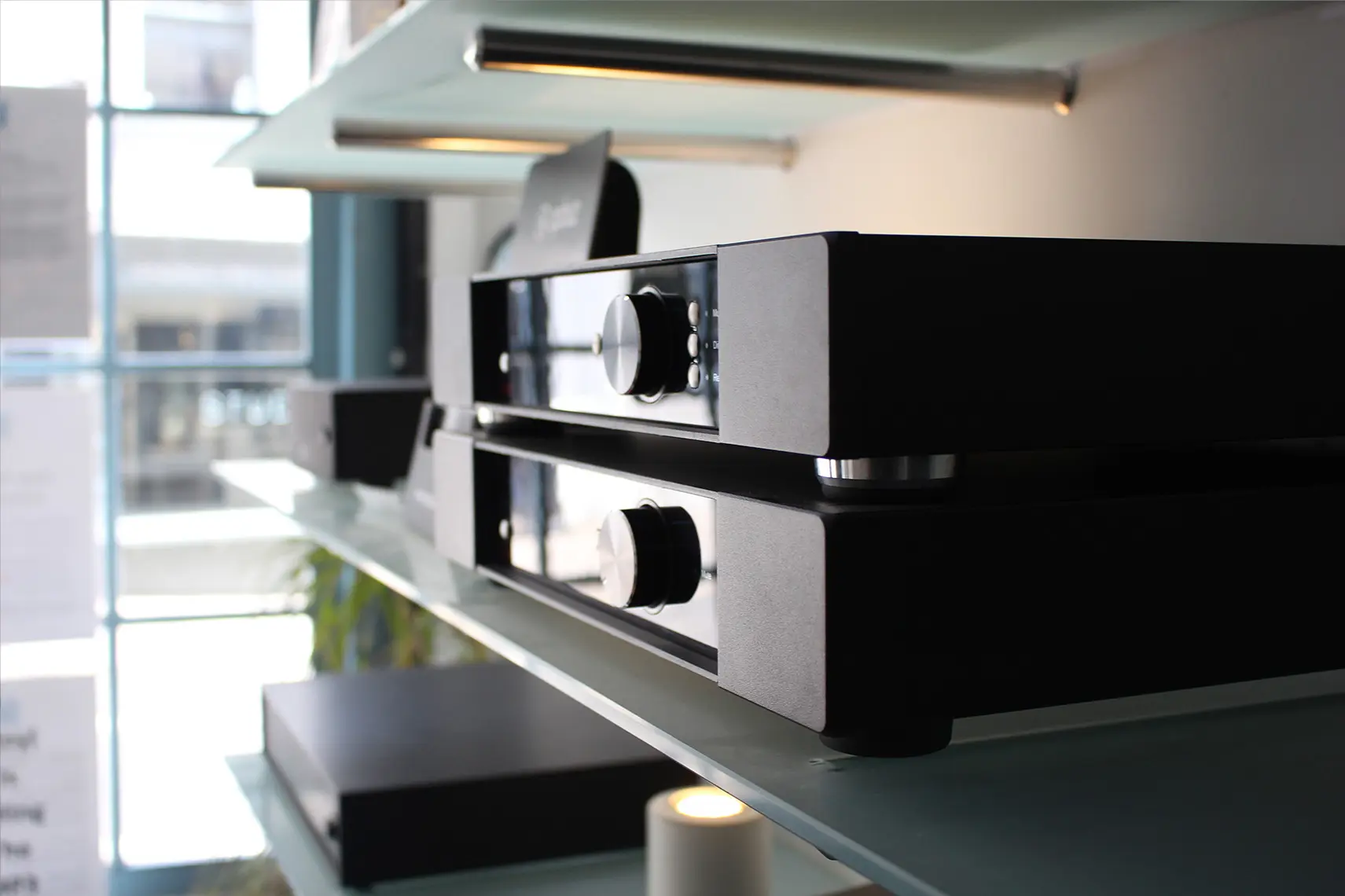
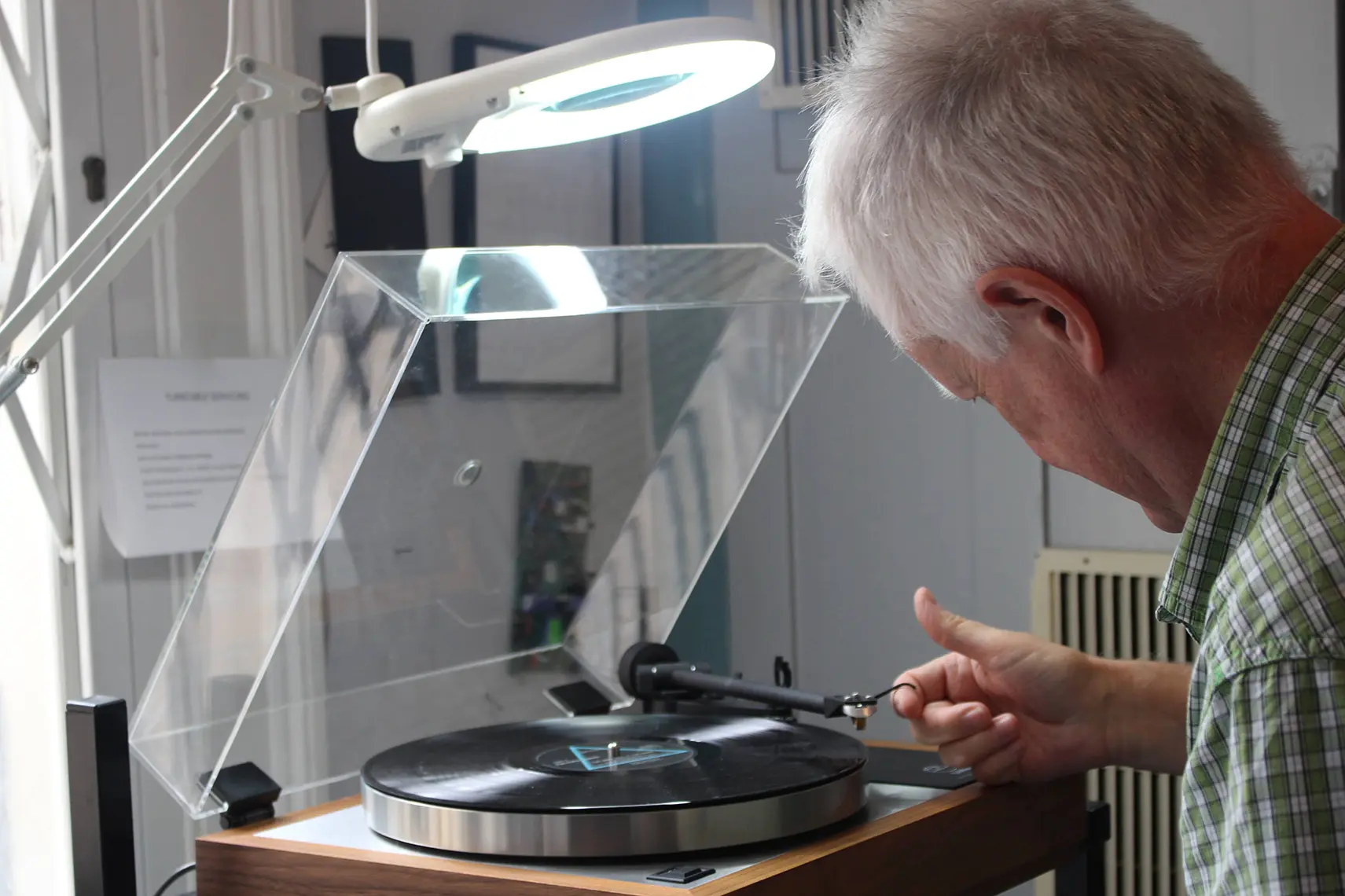
After creating real excitement at the Bristol Hi-Fi Show, the Rega AOS MC is now officially available to order.
We spoke to plenty of Aria and Planar 6, 8 and 10 owners at the show who were already thinking about their next step. The AOS MC has been designed exactly for that moment. It brings listeners closer to the performance of Rega’s reference AURA MC stage, but at a more accessible level.
If you’re running a moving coil cartridge and want to hear just how much more your vinyl can give, this is a serious upgrade.
Built for Pure Analogue Performance
The AOS MC is a fully adjustable, no-compromise moving coil phono stage. Its circuit design is heavily based on the award-winning AURA, delivering exceptional definition and realism to your records.
This is a true two-stage, all-analogue design. There’s no digital control circuitry in the signal path. The fully aluminium case helps shield the internal electronics from unwanted interference, and Rega has deliberately avoided adding anything that might compromise sound quality.
It also features a self-adjusting servo control system, which compensates for changes in operating temperature to keep performance consistent.
Designed to Work with Your Cartridge
The AOS MC is built to partner a wide range of moving coil cartridges.
Plenty of gain for low output MCs
Adjustable resistive loading from 70 Ω to 400 Ω
Adjustable capacitive loading from 1000 pF to 4300 pF
Input sensitivity adjustable by 6 dB
Automatic standby function, which can be disabled if preferred
Rega uses parallel-connected low noise FET transistors, ensuring there is no bias current flowing in the cartridge coil. This protects the delicate magnetic geometry of the cartridge and keeps the signal path as clean as possible.
All of this adds up to greater clarity, realism and insight from your favourite records.
Price & Availability
The Rega AOS MC is available now at a UK SSP of £1,500.00.
If you’d like to learn more, see it in person, or book a demonstration with your own cartridge, just get in touch. We’d be happy to show you what this new stage can really do.
Finding the right place to buy second-hand HiFi equipment can be tricky, as there are many different things to consider.
Prices can vary massively depending on the brand, model, and condition of the equipment. Also, the level of care a previous owner has given to a device, along with its service history, can impact its performance and longevity.
Some sellers may offer well-maintained, high-quality pieces, while others might list items that have seen better days, making it really important to know where to look and what to check before making a purchase.
Below, we’ve provided our thoughts on where to buy second hand HiFi equipment.
Purchasing second hand from a respected retailer.
Buying second-hand HiFi equipment from a reputable retailer is often the safest and most reliable option. Professional retailers inspect and test each item before selling, ensuring that you’re getting a looked-after piece of equipment.
Many will also provide warranties or guarantees, giving you extra peace of mind. Some retailers even offer servicing or refurbishment options for an additional fee, so you can be confident that the equipment is in good working condition.
While prices might be slightly higher than private sellers, the assurance of quality and after-sales support can make it a worthwhile investment.
Purchasing second hand HiFi from Audience.
Audience is a well-respected HiFi shop based in Bath, Somerset, specialising in high-quality used HiFi equipment. We stock a wide range of products from renowned brands such as Linn, Naim, Bowers & Wilkins, and many more, ensuring that our customers have access to some of the best audio equipment available.
As a Naim Platinum Retailer, we are proud to offer a dedicated used HiFi equipment page specifically for Naim products. This allows enthusiasts to browse a carefully curated selection of pre-owned Naim equipment, knowing that each piece has been assessed for quality and performance.
We provide several pricing options to suit different needs. You can purchase the product “as is,” meaning it is in immaculate, high-quality condition. We also offer a “super sale” option, where the same high-standard product is available at an even further reduced price. Additionally, for those who want extra assurance, we provide a servicing option, where the product undergoes a full service before being handed over to you. This way, you can choose the best option based on your preferences and budget while still receiving a top-tier product.
Buying second-hand HiFi equipment from eBay can be a great way to find deals, especially if you’re looking for a specific model at a lower price. With a wide range of listings from private sellers and businesses, you might come across rare or discontinued items that aren’t available elsewhere. Sellers often compete on price, meaning you could secure a bargain compared to buying from a retailer.
The problems with purchasing second hand HiFi from eBay.
However, purchasing from eBay comes with its risks. Unlike buying from a professional HiFi shop, you usually won’t get detailed information about the product’s care history, previous servicing, or how well it has been maintained. While some sellers provide honest descriptions and clear photos, others might not be as thorough, making it harder to judge the true condition of the equipment.
Additionally, buying from eBay means you won’t receive servicing, a warranty, or after-sales support. If something goes wrong after purchase, you’re often left to deal with it yourself. Returns can also be tricky, particularly if the seller doesn’t accept them or disputes a fault. While eBay’s buyer protection offers some security, it may not cover every issue, especially if the product was listed as ‘sold as seen.’
If you’re considering eBay for your HiFi purchase, it’s important to do your research. Look for sellers with strong ratings and reviews, ask questions about the item’s history, and check whether original packaging, accessories, or manuals are included. While it can be a great way to save money, you need to weigh up the potential risks against the benefits of buying from a dedicated HiFi retailer.
Coming Soon from Ruark: R610 Music Console & Sabre-R Bookshelf Speakers
We’re thrilled to announce the arrival of two new releases from Ruark, a brand celebrated for its commitment to exceptional audio quality and beautifully crafted designs.
This month, the R610 Music Console and Sabre-R Bookshelf Speakers will be available for demonstrations, offering the chance to experience Ruark’s unique blend of timeless style and contemporary sound technology.
These latest additions from Ruark bring together everything you’d expect from a top-of-the-line audio system: impressive sound clarity, refined aesthetics, and an attention to detail that makes listening a pleasure.
R610 Music Console – Rediscover the Joy of Music
Inspired by the original stereo music centres that fuelled the hi-fi revolution in the 1970s, Ruark’s R610 Music Console revives this iconic design, adapting it for the modern listener. Equipped with advanced streaming and connection options, the R610 makes it easy to enjoy all your favourite music sources in stunning quality.
Every detail of the R610 Music Console has been carefully crafted to capture the spirit of pure listening. Whether you’re rediscovering your old favourites or exploring something new, the R610 brings each note to life with Ruark’s signature precision. It’s more than just an audio system; it’s an invitation to re-engage with the joy of music, backed by decades of Ruark’s expertise.
Sabre-R Bookshelf Speakers – A True Ruark Classic, Reimagined for Today
Originally launched in 1985, Ruark’s Sabreloudspeakers became a symbol of high-quality sound and durability. Now, the Sabre-R Bookshelf Speakers carry forward this legacy, reimagined with modern materials and design. These speakers are built to last and deliver a deep, immersive sound experience that draws you in with every listen.
Crafted with precision, the Sabre-Rs are a testament to Ruark’s dedication to creating products that stand the test of time. Each component has been selected to enhance sound performance, giving these speakers a warm, authentic quality that captivates a new generation of listeners and honours Ruark’s heritage in sound.
Book Your Demonstration Now
To truly appreciate the craftsmanship and quality of Ruark’s R610 Music Console and Sabre-R Bookshelf Speakers, we invite you to experience them first-hand. Book a private demonstration and let these outstanding products speak for themselves. Get in touch today to reserve your session and discover what makes Ruark’s latest creations so exceptional.
Ever found yourself asking, “Do I need to service my turntable?” If you’re nodding along, you’re in the right place. Whether you’re a vinyl newbie or a seasoned record spinner, keeping your turntable in tip-top shape is key to enjoying those sweet, sweet tunes.
Let’s face it – we all want our favourite records to sound their best. And while turntables are generally low-maintenance, a little care can go a long way.
Think of it like giving your car a regular tune-up; it keeps everything running smoothly and helps you avoid bigger problems down the line.
So, how do you know if your turntable needs a service? And what exactly should you be doing to keep it purring like a kitten?
Stick around, and we’ll walk you through the essentials. From cleaning tips to checking the mechanics, we’ve got you covered. Let’s dive in and make sure your turntable is always ready to rock!
Why Regular Servicing Matters
Imagine you’re about to drop the needle on your favourite record. The anticipation builds as the turntable starts spinning, but then—disappointment.
The sound is scratchy, the music skips, and the whole experience is ruined. This is where regular turntable servicing comes into play.
Keeping your turntable in good shape isn’t just about avoiding annoyances. It’s about preserving the quality of your music and extending the life of your beloved records and equipment.
Dust and dirt can accumulate over time, causing wear and tear on both the stylus and the vinyl. Regular cleaning and care can prevent this build-up, ensuring you get the best possible sound every time you listen.
But it’s not just about cleanliness
Checking the alignment and condition of your stylus, making sure the belt is in good shape, and ensuring all the moving parts are properly lubricated can make a huge difference. These small tasks can help prevent bigger issues down the line, saving you money and hassle.
Plus, there’s something satisfying about taking care of your gear. It’s a bit like tending to a garden or maintaining a classic car.
You put in a bit of effort, and you’re rewarded with beautiful results. Your records sound better, your turntable lasts longer, and you get to enjoy your music collection to the fullest.
So, if you want to keep those tunes spinning smoothly and sounding great, regular turntable servicing is a must. It’s a small investment of time that pays off big in the long run. After all, your turntable deserves a bit of pampering, doesn’t it?
Signs Your Turntable Needs Servicing
How can you tell if your turntable is crying out for a bit of attention? Here are some common signs that it’s time to roll up your sleeves and give your turntable some much-needed TLC.
Sound Quality Issues
If your music sounds off – think distortion, crackling, or unexpected skipping – it’s a clear sign something’s not right. It might be a dirty stylus, a worn-out cartridge, or issues with the turntable’s alignment.
Speed Problems
Does your music sound like it’s being played too fast or too slow? Speed fluctuations can be a tell-tale sign that your turntable needs servicing. It could be an issue with the belt, motor, or even the power supply.
Unusual Noises
If you hear strange noises like humming, buzzing, or clicking, it’s time to investigate. These sounds can indicate problems with the motor, bearings, or grounding of your turntable.
Visible Wear and Tear
Take a close look at your turntable. Is the stylus looking a bit worn? Are there any cracks or signs of damage on the cartridge or tonearm? Visible wear can affect performance and might mean it’s time for some repairs or replacements.
Inconsistent Tracking
If the tonearm struggles to stay in the groove or skips across the record, it’s a sign that something’s amiss. This could be due to incorrect tracking force, anti-skate settings, or issues with the tonearm itself.
Record Wear
Are your records starting to show more wear than usual? If your records are getting damaged more quickly, it could be due to a worn-out stylus or misaligned cartridge, both of which can be addressed with proper servicing.
If you notice any of these signs, don’t ignore them! A little bit of maintenance can go a long way in keeping your turntable – and your record collection – in top condition. So, give your gear the care it deserves and enjoy your music the way it was meant to be heard.
We Can Help with Your Servicing
Feeling a bit overwhelmed with all this talk of maintenance? Don’t worry – we’ve got your back.
Whether you’re a vinyl enthusiast or just getting started, our team is here to help keep your turntable (specifically the Linn LP12) in perfect working order.
Ok, here’s what we do –
First, we assess your turntable before starting any work. We believe in clear communication, so we’ll discuss with you how you’d like to proceed once we’ve had a look.
Many of our customers are curious about how they can improve their turntable’s performance now or in the future. To help with this, we can provide a ‘menu’ of upgrade options for you to consider.
Our service centre is always bustling, so we’ll give you an estimated time for your Linn LP12 servicing. Sometimes, we may need to order parts, which can affect the timeline.
When we get started, here’s how it goes:
Initial Assessment: We take a close look at your turntable to understand its current condition and identify any immediate issues.
Consultation: After our assessment, we’ll discuss our findings with you and offer suggestions for maintenance or upgrades, depending on your preferences.
Detailed Servicing: For the Linn LP12, we strip it down to its component parts. During this stage, if we find any issues, we’ll contact you to discuss the next steps.
Cleaning and Replacing Parts: We clean every component thoroughly and replace parts that commonly need attention, like springs and grommets.
Rebuilding: We carefully put everything back together, including any upgrades you’ve chosen.
Now, the magic starts:
Precision Setup: Setting up the turntable involves fine-tuning all the elements. We adjust the speed, the ‘bounce’ of the suspension, dress the arm cable and earth lead, and perfect the geometry of the arm and cartridge.
Final Tweaks: We tweak, nudge, and adjust until your turntable sings as sweetly as a bird.
Cost To Service your Turntable
Linn LP12 servicing costs £200.00, which includes a new belt. For other turntables, the cost varies depending on their condition, but you can expect to pay between £50.00 and £100.00 for a standard service.
Ready to get started? Bring in your turntable, and we’ll make sure it’s in perfect tune.
Click here to read more. Or, send us an email or give us a call: 01225 333310 & info@audience.org.uk.
In the digital era, streaming services have truly transformed the way we access and enjoy music. These platforms offer an almost infinite library of tracks, spanning every genre and era, available at the touch of a button.
For music enthusiasts, the abundance of choices is unprecedented and incredibly convenient. However, the real challenge lies not in finding music, but in experiencing it with the utmost fidelity. Most streaming setups tend to compromise on sound quality for the sake of accessibility, leaving discerning listeners searching for better solutions.
To resolve this, integrating high-fidelity (HiFi) audio systems with your streaming services is key. This combination brings together the best of both worlds: the endless variety of digital music and the rich, detailed audio quality of advanced sound systems.
Such integration ensures that the music is not just heard but felt, reproducing sounds as close to the original recordings as possible, with every nuance and detail intact.
This guide delves into how you can enhance your music streaming experience using products from Naim Audio and Bluesound—two brands synonymous with exceptional audio performance.
At Audience Hifi, we take pride in our partnerships with these industry leaders, as they consistently set the standard for high-quality audio equipment. By choosing systems from Naim Audio and Bluesound, you can enjoy seamless integration of streaming technology with robust, high-fidelity sound that brings every note to life.
This approach not only optimises your listening experience but also respects the artistry behind the music, allowing you to experience each track as the artist intended.
The Essence of High-Fidelity Systems
High-fidelity systems, commonly referred to as hifi, are engineered to replicate audio with as little distortion as possible, thereby closely mimicking the original sound as the artist intended.
These systems are comprised of a suite of meticulously designed components including amplifiers, receivers, and speakers. Each element plays a vital role in the audio chain, ensuring that from source to output, the integrity of the sound is preserved and delivered with exceptional clarity.
Amplifiers in a hifi setup serve as the powerhouse, enhancing the audio signal without adding unwanted noise, thus maintaining the purity of the sound. Receivers act as the hub, connecting various audio sources while managing input and output channels seamlessly.
Speakers are the final output, and perhaps the most influential in terms of audio perception, designed to convey every tone and detail in its true form.
Together, these components form a system that not only delivers sound but does so with depth and richness that can transform a listening experience into something truly immersive.
Hifi systems are thus not just about hearing music; they are about experiencing it in a way that is as close to the original performance as possible.
This commitment to audio excellence is what makes high-fidelity systems indispensable to those who value the authenticity and depth of their music.
Selecting the Ideal HiFi System
To integrate streaming services effectively, choosing the right hifi system is crucial. Naim Audio provides several superior options:
UNITI ATOM: This compact, high-fidelity amplifier is not just about powerful sound; it also supports numerous streaming platforms built into its system, making it a great choice for those new to high-fidelity sound as well as seasoned listeners.
UNITI STAR: Adding a CD player to its capabilities, the UNITI STAR suits those who appreciate digital streaming alongside traditional physical media, without sacrificing sound quality.
UNITI NOVA: For the uncompromising listener, the UNITI NOVA steps up the game with advanced technology for more power and even finer audio details.
UNITI NOVA PE (Power Edition): Enhancing the UNITI NOVA, this model offers increased power output for an even more dynamic audio experience.
UNITI ATOM HEADPHONE EDITION: Tailored for personal listening, this variant combines the renowned UNITI features with a top-tier headphone amplifier, perfect for those who prefer an intimate sound experience.
How to Integrate Streaming Services
Setting up your system to stream music seamlessly is straightforward with these user-friendly and sophisticated devices. Here’s a simple guide to get you started:
Establish a Network Connection
Connect your hifi system to your home network using Ethernet or Wi-Fi. This ensures a stable and reliable streaming experience.
Activate Your Streaming Account
Both Naim and Bluesound systems are compatible with most major streaming platforms. Access your account directly through the system’s interface to start enjoying your music.
Effortless Control
Use the Naim or Bluesound app on your smartphone or tablet to choose and play music. These apps provide an easy way to navigate through playlists and settings, allowing you to tailor your listening experience to your preferences.
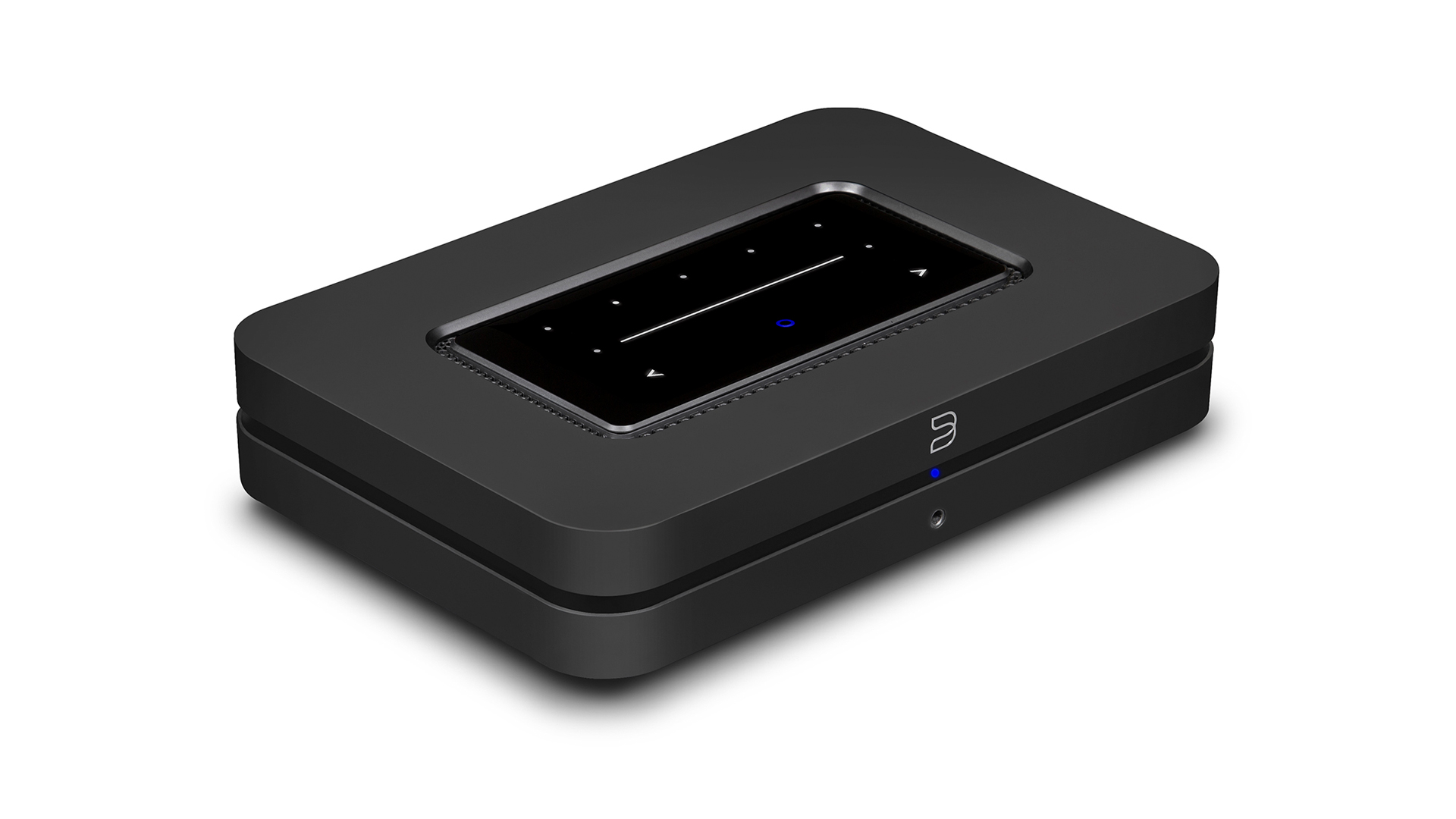
Bluesound Node
A Streamlined Option. If you’re not looking to replace your entire audio setup, consider the Bluesound Node.
This device acts as a conduit, enabling your traditional audio system to embrace the digital age without compromising on audio quality.
The Node supports various streaming services and integrates smoothly with existing audio equipment, making it a flexible and valuable addition to any music lover’s arsenal.
The Evolution of Music Listening
The integration of hifi systems with streaming services transcends the mere preservation of sound quality; it fundamentally alters the way we access and engage with music.
By choosing systems from Naim Audio or incorporating a device like the Bluesound Node, you not only retain exceptional audio quality but also gain access to the vast array of music available through streaming platforms.
This synergy allows music lovers to explore a seemingly endless selection of songs and genres in the highest fidelity possible, enhancing every listening session into an exquisite auditory experience.
At Audience Hifi, our commitment revolves around providing the perfect fusion of quality and convenience in music listening. We carefully curate our selection of products from Naim Audio and Bluesound, each designed to integrate seamlessly into your lifestyle and home environment.
Our offerings are tailored to ensure you can ‘Stream in Style’, enjoying an elevated audio experience that brings the best of the music world directly into your living space.
Whether you’re unwinding after a long day or hosting an evening with friends, our systems deliver flawless sound that makes every moment more memorable.
Welcome to a deep dive into how high-fidelity (Hi-Fi) equipment isn’t just for audiophiles but is also a pivotal element in enhancing the aesthetics of your living space.
In this guide, we explore the symbiotic relationship between sound quality and style, showcasing why Hi-Fi systems are a must-have in any modern home.
What is Hi-Fi Equipment?
High-fidelity equipment refers to high-quality audio systems designed for a superior sound experience. This includes components like amplifiers, receivers, speakers, and turntables, all crafted to reproduce sound as closely as possible to the original recording.
Today’s Hi-Fi systems are often as visually stunning as they are acoustically effective. Manufacturers now focus on both performance and design, producing pieces that are both technologically advanced and visually appealing. One example of this is the Linn LP12 Turntable.
Incorporating Hi-Fi into Various Design Themes
Integrating Hi-Fi systems into your home decor is an artful endeavour that can accentuate your existing interior design, whether your space adheres to strict minimalism or is an eclectic mix of eras and styles.
For those who appreciate the clean, uncluttered aesthetics of minimalism, sleek, modern Hi-Fi components with smooth finishes and subtle detailing can enhance the sense of space and order.
Meanwhile, if your home is a vibrant gallery of vintage finds and retro chic, classic Hi-Fi models featuring wood grain finishes and vintage dials can add an authentic touch of nostalgia that enhances your decorative scheme.
Moreover, for a more contemporary setting, where cutting-edge design and modern luxury dominate, Hi-Fi equipment with high-gloss surfaces, futuristic shapes, and striking visual contrasts can serve as a focal point in the room.
Conversely, in a rustic or country-style home, elements such as exposed wood or a more rugged design can harmonise beautifully with natural textures and a warm palette.
Hi-Fi systems are not merely functional electronics; they are potential statement pieces that can resonate with the tone and personality of your living space.
By carefully selecting pieces that reflect the architectural qualities and design intentions of your interior, a Hi-Fi system can transcend its functional purpose to become an integral part of your home’s aesthetic narrative. This thoughtful integration ensures that your love of quality sound is perfectly in tune with your personal style, creating a harmonious and inviting atmosphere.
Our new partner Dynaudio has some stunning pieces that will compliment any home, take a look here (Dynaudio).
Setup Tips for Enhancing Aesthetic Appeal
Setting up your Hi-Fi system involves more than just positioning it for optimal sound quality; it’s also about enhancing the visual harmony of your living space.
Here are several tips to ensure your system not only sounds fantastic but also contributes positively to the aesthetics of your home:
• Optimal Placement: The positioning of your Hi-Fi equipment can significantly impact both its performance and its integration into your room’s design. For speakers, consider the acoustics of the room—placing them on stands at ear height in a slightly angled pattern towards your usual listening position can optimise sound quality. For visual balance, ensure the equipment complements the furniture layout, maintaining symmetry and proportion with other elements in the room.
• Cable Management: Wires can detract from the sleek look of your Hi-Fi setup. Use cable ties to bundle wires together neatly, and consider using cable conduits that match your wall colour to make them less noticeable. For a cleaner look, route cables behind or underneath furniture where possible, or invest in wireless components that reduce cable clutter.
• Harmonising with Decor: Choose Hi-Fi components that reflect the overall style of your room. Modern, minimalist rooms benefit from streamlined, contemporary designs, while more traditional spaces might suit classic components with wood finishes. The colour of your Hi-Fi should complement the room’s colour scheme to blend seamlessly into the environment.
• Focus on Furniture: The furniture you choose to house your Hi-Fi system can also affect its aesthetic appeal. A stylish cabinet or a bespoke Hi-Fi rack not only keeps your equipment organised but can also serve as an attractive piece of furniture that enhances the room.
• Acoustic Considerations: Apart from aesthetic considerations, think about the acoustic impact of your room. Hard surfaces can cause sound to bounce around, leading to echo and distortion. Introduce soft furnishings such as rugs, curtains, and cushioned seats to help absorb excess sound, ensuring a clearer audio output while adding to the room’s visual appeal.
• Lighting: Lighting can create ambience and highlight your Hi-Fi system as a focal point. Consider soft, indirect lighting that can enhance the mood of the room without causing glare on screens or shiny surfaces. Spotlights or LED strips can be used subtly to illuminate your Hi-Fi setup and draw attention to its design features.
By integrating these setup tips, your Hi-Fi system will not only deliver superb sound but also serve as a cohesive part of your home’s overall aesthetic, making it both heard and seen in the best possible light.
The Role of Lighting and Hi-Fi Equipment
Lighting plays a crucial role in showcasing your Hi-Fi system, significantly influencing its appearance and the atmosphere of the space. Strategic lighting can transform your audio equipment from mere functional electronics into a standout feature of your home decor. Here are several tips on how to effectively use lighting to enhance the aesthetic appeal of your Hi-Fi setup:
• Accent Lighting: Consider using accent lighting to highlight your Hi-Fi system and draw attention to its design details. Spotlights, LED strips, or directional lamps can be positioned to focus light on specific areas of your system, enhancing its visual impact and making it a focal point of the room.
• Ambient Lighting: Soft, ambient lighting can create a relaxed atmosphere that complements the audio experience. Avoid harsh overhead lights, which can detract from the viewing experience and create unwanted reflections on shiny surfaces. Instead, opt for softer, diffused light sources that add a warm glow to the room.
• Colour Temperature: The colour temperature of the lighting can also affect how the colours of your Hi-Fi system are perceived. Warm white lights tend to enhance richer, darker tones, making wood finishes and black components appear more vibrant, while cooler lights can enhance metallic and glass elements, giving a sleek, modern look.
• Dynamic Lighting: For those who enjoy a more interactive experience, consider installing smart lighting that can change colour and intensity based on the music being played. This can add an extra layer of immersion to your listening experience and dynamically alter the mood of the room according to the audio.
• Natural Light: If possible, make use of natural light. During the day, the natural light from windows can help integrate your Hi-Fi system into the living space more organically. However, be mindful of direct sunlight on your equipment, as it can cause damage over time.
• Integration with Decor: Ensure that your lighting choices complement not just your Hi-Fi system but also the overall decor of your room. Consistency in style and design across your lighting fixtures and your audio equipment will create a cohesive look that enhances both the functionality and aesthetics of your living space.
By thoughtfully incorporating lighting around your Hi-Fi equipment, you can significantly boost its visual appeal, turning it into an integral and captivating part of your home’s design.
We are thrilled to announce a harmonious partnership that marks a new chapter in our quest for delivering unparalleled audio experiences to our valued customers.
Audience, with a longstanding commitment to curating the finest audio systems, has now partnered with Dynaudio, a name that resonates with pristine sound quality and innovative audio engineering.
This collaboration is set to redefine the boundaries of acoustic performance, bringing the art of sound to the very heart of your home.
Introducing Dynaudio: A Legacy of Sound Excellence.
Dynaudio, headquartered in Skanderborg, Denmark, stands as a towering figure in the world of high-fidelity audio equipment.
Since its inception in 1977, Dynaudio has dedicated itself to crafting loudspeakers that deliver the purest sound possible, embracing the philosophy that music should be as close to its original recording as possible.
Their relentless pursuit of perfection has led them to develop some of the most advanced audio technologies and speaker designs in the industry.
What sets Dynaudio apart is its commitment to in-house production. From the intricate weaving of its tweeter domes to the precise engineering of its woofers, every component is meticulously crafted in their Danish facilities, ensuring unparalleled quality and performance.
This dedication to excellence has earned Dynaudio a revered place among audiophiles and professional musicians alike, making it an ideal partner for Audience.
A Partnership Built on Excellence.
Our partnership with Dynaudio is born from a shared passion for achieving audio perfection.
At Audience, we carefully evaluate each potential partner, seeking those who align with our values of excellence, innovation, and passion for music.
Dynaudio, with its rich heritage and commitment to sound integrity, naturally emerged as a perfect fit.
We are proud to feature Dynaudio’s esteemed Emit and Evoke series in our demonstration line-up.
These series represent Dynaudio’s prowess in blending cutting-edge technology with exquisite design to create immersive soundscapes that truly transport the listener.
Emit Series: The Essence of Purity
The Emit series is designed to introduce listeners to the world of high-end audio without compromise.
Engineered for performance, each speaker in the Emit series offers an unparalleled listening experience, providing clarity, depth, and power that belies its entry-level positioning.
Ideal for those beginning their high-fidelity journey, the Emit series embodies Dynaudio’s commitment to accessible excellence.
Evoke Series: The Art of Sophisticated Sound
For the discerning audiophile, the Evoke series represents the pinnacle of audio innovation.
Each model in the Evoke series is a testament to Dynaudio’s relentless pursuit of acoustic perfection, offering sophisticated soundscapes that reveal every nuance of the music.
With its elegant design and exceptional performance, the Evoke series stands as a beacon of what is possible in the realm of sound.
A Future Tuned to Perfection
Our partnership with Dynaudio is more than just a collaboration; it’s a promise to our customers.
A promise that every product we offer is a gateway to experiencing music in its purest form. We invite you to visit us and experience the Emit and Evoke series firsthand.
Let us show you how Dynaudio’s world-class engineering, combined with our passion for audio, can bring the concert hall into your home.
Together, Audience and Dynaudio are setting the stage for a future where every note, every chord, and every beat is delivered as it was meant to be heard: flawlessly. Welcome to a new era of sound excellence.
The evolution of HiFi equipment, from the humble beginnings of console radios in the 1920s to the modern turntable, and onto the streaming services of today, reflects an extraordinary journey in sound.
The term ‘High Fidelity’ or ‘HiFi‘ itself denotes the pinnacle of sound quality, striving for inaudible noise, minimal distortion, and a flat frequency response.
This journey, mirroring the technological advancements of the past century, has continuously reshaped the way music is reproduced and consumed.
The relentless pursuit for the perfect sound has propelled the vinyl record, record player, and turntable from mere instruments of music playback to iconic symbols of an audiophile’s reverence for high-quality sound.
As we delve into the evolution of HiFi equipment, we chart the path from the analog warmth of vinyl records through the crisp precision of digital audio to the convenience of streaming services.
The narrative explores how each era’s quintessential HiFi components—from the record player of the 1950s and 60s to the modern digital and streaming solutions—reflect broader technological trends and shifts in music consumption.
This exploration is not just about the hardware but encompasses the cultural shifts associated with music, listening practices, and the ongoing quest for the ultimate auditory experience.
The Dawn of HiFi: The 1950s and 60s
The 1950s and 60s marked a transformative era in the evolution of HiFi equipment, characterized by significant technological advancements and cultural shifts.
This period saw the introduction and popularization of several key components that would lay the foundation for the high-fidelity sound systems we appreciate today.
One-Piece Hi-Fi Systems:
Introduced in the 1950s and 1960s, these systems were an all-in-one solution for music enthusiasts.
Features included amplifier-powered stereo speakers, a turntable, and a radio, all neatly contained within a single unit with a lid in the center to conceal the turntable and radio when not in use.
Key Innovations:
Reel to Reel Player: Dominant from the 1950s to the 1980s, it provided unmatched fidelity, surpassing the audio playback quality of vinyl records.
8-Track Tape Player: Emerging in the 1960s and remaining popular until the 1980s, this was the first portable tape player, becoming a staple in muscle cars of the era.
33⅓ rpm LP Records and FM Radio: The late 1940s and early 1950s introduced these innovations alongside improved amplifier and loudspeaker designs, significantly enhancing home-audio quality.
Stereophonic Equipment: The late 1950s and early 1960s’ development of stereo equipment and recordings ushered in a new wave of audio improvement, transforming listening experiences at home.
Cultural and Economic Influences:
The term ‘Hi-Fi’ was coined in 1954, symbolizing the era’s quest for the highest fidelity in sound reproduction.
Post-WWII prosperity increased disposable income, fuelling the demand for high-quality audio equipment. The UK audio component market, primarily dominated by UK-made products due to pricing, saw a wave of innovation with contributions from notable figures benefiting from military research.
The availability of war surplus parts and technology, along with advanced electronics education, spurred a wave of pioneers who combined various elements, setting the stage for consumer electronics.
The design of Hi-Fi systems became more sophisticated, featuring wood grain, brushed metal, and aesthetically pleasing knobs. Speakers were meticulously tuned, allowing enthusiasts to fill rooms with impeccable sound by combining woofers, tweeters, and stereo paired speakers.
This period not only witnessed technological advancements but also a cultural embrace of high-fidelity sound, setting a precedent for the quality and innovation in HiFi equipment that continues to evolve.
The Digital Revolution: Late 20th Century
The late 20th century marked a pivotal era in the evolution of HiFi equipment, characterized by the transition from analog to digital technologies.
This period introduced several groundbreaking innovations that fundamentally altered the landscape of audio-visual entertainment:
Compact Cassettes and 8-Track Cassettes: Initially, compact cassettes were introduced alongside the larger 8-track cassettes. However, it wasn’t until technological advancements were made that compact cassettes achieved optimal fidelity for music listening, paving the way for their widespread adoption.
The Advent of Digital Audio:
CD Player (1980s-Present): Signifying the onset of the digital audio revolution, CD players offered a new standard in sound quality, with compact discs providing a scratch-resistant digital alternative to vinyl records.
Digital Audio Tape (DAT) Player (1980s-1990s): DAT players offered a digital medium for high-fidelity audio recording and playback, though their popularity was relatively short-lived.
MiniDisc Player (1990s-2000s): Introduced as a potential successor to the compact cassette, MiniDisc players combined the convenience of portable music with the benefits of digital technology.
Technological Innovations and Their Impact:
Power MOSFETs in Audio: The integration of the metal–oxide–semiconductor field-effect transistor (MOSFET) into audio equipment in 1974 by manufacturers like Yamaha and Sony revolutionized the production of high-fidelity audio amplifiers.
Digital Formats and Standards: The era witnessed the establishment of various digital formats, including Laserdiscs, CD-ROMs, and DVDs, each contributing to the digital revolution in their unique ways. Notably, the MP3 format revolutionized portable music storage and streaming, while the internet emerged as a powerful platform for sharing digital content.
Transition to Digital: This period saw the decline of analog technologies, such as traditional photography, in favor of digital alternatives. Despite the superior sound quality of LPs, CDs dominated the music market, though they were criticized for their harsh sound quality. Attempts to introduce new formats like audio DVD and SACD were made, aiming to surpass CDs in quality, yet they struggled to achieve mainstream success.
The transition from analog to digital in the late 20th century not only transformed the HiFi equipment landscape but also set the stage for the innovations that would define the future of audio-visual entertainment.
The Vinyl Resurgence and Analog Appreciation in the 21st Century
In the 21st century, the vinyl record has made a remarkable comeback, capturing the hearts of both old and new generations.
This resurgence is not just about music; it’s about the experience and the quality that comes with vinyl. Here are some key reasons behind this revival:
Tangible Experience:
Handling the Record: The act of taking a vinyl out of its sleeve is a ritual that digital platforms can’t replicate.
Artwork Appreciation: Vinyl covers are artworks in themselves, often influencing the listener’s connection to the music.
Engaging with Liner Notes: Reading the artist’s thoughts and the production credits adds depth to the listening experience.
Sound Quality:
Warmth and Depth: Vinyl captures a fuller range of audio frequencies, offering a richness that some find lacking in digital formats.
Intentional Listening: The physical act of playing a vinyl record encourages a more focused and attentive listening experience, fostering a deeper connection to the music.
Cultural and Community Aspects:
Connection to History: Vinyl serves as a bridge to past decades, carrying a sense of timelessness.
Collecting Culture: Records are treasured for their rarity and unique features, creating a vibrant culture of collectors.
Community Hubs: Record stores and vinyl listening parties become places where enthusiasts share their passion for music.
The vinyl resurgence is supported by numbers; sales have been growing steadily, with 780,000 units sold in the UK in 2013 alone.
This revival is not only driven by nostalgia but also by contemporary musicians who choose to release their albums on vinyl, ensuring its enduring appeal.
Despite debates over environmental concerns and sound quality compared to digital formats, vinyl’s tangible experience, sound quality, and community aspects have solidified its place in the modern music landscape.
This resurgence is a testament to the broader trend of analog appreciation in a digital world, challenging the narrative of relentless progress and encouraging a reassessment of what progress means in terms of quality, experience, and community.
HiFi Today: Streaming Services and Modern Equipment
In today’s HiFi landscape, the options for both hardware and streaming services are abundant, catering to various preferences and requirements. Here’s a closer look at the modern equipment and services that define HiFi today:
Modern HiFi Equipment:
All-In-One Player (Boombox) (1980s-Present): Compact and versatile, these players fit neatly in any room corner or are easy to carry on trips, offering a blend of nostalgia and modernity.
Amazon Echo Auto, Vivint Car Guard, Klashwerks Raven: These devices integrate HiFi sound into daily life beyond traditional home settings.
Smart Displays and Lighting: Devices like the Skylight Frame, Aura Mason, and Nanoleaf Essentials bring both aesthetic and functional enhancements to the HiFi experience.
Gaming and Entertainment: With options like the Valve Steam Deck OLED and Sony PlayStation 5 Slim, high-quality sound is a crucial component of immersive gaming experiences.
Streaming Services:
Tidal: Known for its high-resolution audio listening, Tidal offers MQA and FLAC playback, making it a top choice for HiFi enthusiasts.
Apple Music: Ideal for iOS users, it provides high-resolution playback and unique features at a competitive price.
Spotify: Despite competition, Spotify’s extensive library remains unmatched for discovering both new and old music.
Amazon Music Unlimited vs. Prime: While Unlimited offers Dolby Atmos tracks and a discount for Prime users, Prime Music offers a free, albeit SD quality, catalogue for subscribers.
YouTube Music: Offers a vast video library, though its audio quality could see improvements.
Choosing a Streaming Service: Considerations should include:
Catalogue size
Sound quality (e.g., standard vs. high resolution)
Price
User interface and navigation ease
Emerging Technologies and Platforms:
Live TV and Free Streaming: Services like DirecTV Stream and Tubi offer live and on-demand content, expanding the HiFi experience beyond music to include visual media.
Home Security and Automation: Devices such as Ring Alarm Pro and Amazon Astro merge HiFi quality sound with practical home applications, highlighting the evolution of HiFi equipment into multifunctional household staples.
This expansive range of modern HiFi equipment and streaming services illustrates the evolution of HiFi from dedicated listening rooms to an integral part of our daily lives, encompassing entertainment, home automation, and beyond.
Future Trends in HiFi Equipment
As we look towards the future of HiFi equipment, several emerging trends promise to redefine our listening experiences, blending technological innovation with user-centric design:
AI-Driven Sound Optimization:
AI technology will tailor sound output to the acoustics of the room and the listener’s personal hearing profile, ensuring optimal listening conditions in any environment.
High-resolution streaming will become the standard, offering listeners unparalleled sound quality, with platforms like Tidal leading the way in MQA and FLAC playback.
Revolutionary Materials and Smart Systems:
New materials and design techniques will lead to lighter, more durable, and aesthetically pleasing HiFi equipment, merging visual appeal with audio function.
Smart audio systems will incorporate voice commands and environmental adaptation, allowing for seamless integration into smart homes and IoT ecosystems.
Personalized and Immersive Audio Environments:
The development of sophisticated wireless and streaming technologies will facilitate the creation of personalized audio environments, tailored to individual preferences and room acoustics.
HiFi systems will play a central role in immersive multisensory environments, especially in entertainment and gaming, offering an enveloping audio-visual experience.
The future of HiFi is not just about sound quality; it’s about creating an audio experience that is as seamless and personalised as possible.
With the integration of AI, smart technologies, and revolutionary materials, listeners can look forward to a new era of HiFi equipment that blends perfectly with modern lifestyles, offering portable, stylish, and multifunctional audio solutions.
As the demand for high-quality audio extends beyond music to all forms of media, the evolution of HiFi systems in line with technological advancements and consumer preferences is set to continue, promising an exciting future for enthusiasts and casual listeners alike.
When it comes to high-fidelity audio equipment, few brands command as much respect as Naim. Known for their meticulous craftsmanship and superior sound quality, Naim products are sought after worldwide.
An important aspect of these products, often overlooked by many, is their serial numbers.
In this blog post, we’ll delve into the significance of Naim serial numbers, how they can help you, and what you should know about them.
What are Naim Serial Numbers?
Serial numbers are unique identifiers assigned to each product manufactured by Naim. These numbers are not just random sequences; they hold key information about the product. For instance, they can indicate the manufacturing date of a particular component, making them incredibly useful for a variety of reasons.
Why are Serial Numbers Important?
Tracking Product History: Serial numbers provide a history of the product. If you’re purchasing second-hand Naim equipment, the serial number can tell you when the item was manufactured. This information is crucial in determining the age and potentially the usage of the equipment.
Authenticity Verification: In a market where counterfeit products are a concern, serial numbers help in verifying the authenticity of a Naim product. Authentic Naim products will always have a legitimate and traceable serial number.
Warranty and Service: Should your Naim equipment require servicing, the serial number will be used by the company or authorised service centres to access the product’s history and warranty status.
Resale Value: Knowing the exact model and manufacture date of your Naim equipment can significantly affect its resale value. Collectors and enthusiasts often seek out specific models from certain production years.
Decoding Naim Serial Numbers
Naim’s serial number system is straightforward. For instance, if you’re looking to determine the manufacture date of your Naim component, a reference table provided by Naim can be immensely helpful.
This table correlates serial numbers with manufacturing dates, allowing you to pinpoint exactly when your component was made.
Special Note on Statement Series
It’s important to note that the Statement series, including models like NAP S1 and NAC S1, might have serial numbers indicating an earlier manufacturing year than expected.
This is because Naim reserves a batch of serial numbers for these high-end products to ensure sequential numbering for customers buying a full Statement system.
This practice highlights Naim’s commitment to providing a bespoke experience for their high-end series.
Conclusion
In conclusion, Naim serial numbers are more than just a series of digits. They are a gateway to understanding the heritage, authenticity, and value of your Naim audio equipment.
Whether you are a long-time Naim user, a prospective buyer, or a collector, knowing how to read and interpret these serial numbers can greatly enhance your experience with one of the world’s leading Hi-Fi brands.
Remember, always refer to the serial number when purchasing second-hand Naim equipment or when requiring service and support.
It’s a small detail that makes a big difference in the world of high-fidelity audio.
The Ultimate Guide to Purchasing Second Hand and Vintage Hi-Fi Speakers
In the midst of our rapidly progressing digital era, the charm and fascination surrounding vintage Hi-Fi speakers have not waned in the slightest.
These timeless pieces, with their unparalleled craftsmanship, exude a sound that is deep, warm, and resonant. This particular quality, combined with their iconic and often nostalgic designs, has led them to be ardently pursued by passionate audiophiles and everyday music enthusiasts alike.
This comprehensive guide has been meticulously crafted to steer you through the intricate landscape of second hand and vintage Hi-Fi speakers.
With the insights provided, we endeavour to ensure you not only acquire a product of impeccable sound quality but also achieve outstanding value for your investment.
Why Choose Second Hand or Vintage Hi-Fi Speakers?
Superior Sound Excellence: Historically, Hi-Fi speakers from bygone eras were meticulously designed during periods when the essence of sound quality was held in the highest regard. These speakers emanate a warmth and depth in their sound, a characteristic which many contemporary speakers find challenging to emulate.
Distinctive Vintage Allure: Classic speakers encapsulate a certain nostalgia and possess a distinctive old-world elegance. Their unique design and aesthetic have the capacity to elevate the ambiance of any living space, adding a touch of vintage sophistication.
Economic Advantage: Opting for pre-owned equipment frequently presents an opportunity to obtain premium-quality speakers without the premium price tag, often amounting to just a fraction of their initial market value.
Key Considerations When Purchasing Second Hand Hi-Fi Speakers
Condition and Authenticity
It is of paramount importance to rigorously assess the state of the speakers. One should meticulously inspect for any apparent signs of wear and tear, including dents, abrasions, or rips.
Furthermore, it’s crucial to ascertain the authenticity of the speakers, ensuring they retain their original components and haven’t been altered or replaced with inauthentic parts.
Sound Quality
Before making a commitment to purchase, it’s imperative to undertake a thorough sound check of the speakers.
Engage in an extended listening session, ensuring you discern any potential sound discrepancies, such as distortions, an underlying buzz, or any irregularities in the balance of tones.
A vintage speaker, when preserved with care and attention over the years, should consistently produce a sound characterised by its clarity, sharpness, and vibrant tonal richness.
Replacement Parts
Speakers from previous generations, given their age and prolonged usage, may occasionally necessitate the substitution of certain components.
Procuring these specific parts can often present a challenge due to their rarity or discontinuation. It’s crucial, therefore, before finalising any purchase, to ascertain the availability and accessibility of any potential replacement components, ensuring they can be procured with relative ease should the need arise.
Embarking on the journey to acquire second hand or vintage Hi-Fi speakers can be an immensely gratifying endeavour.
Such speakers, steeped in history and craftsmanship, deliver a sound quality that is truly second to none, enveloped in a distinctive aesthetic that seamlessly blends nostalgia with artistry.
Furthermore, these vintage gems often present a more economical alternative compared to their contemporary peers, without compromising on quality.
By adhering to the detailed guidelines outlined previously, and taking into consideration the exceptional offerings from Audience’s ‘Used But Cherished’ collection, you position yourself favourably to discover a pair of speakers that impeccably align with your auditory preferences.
Whether you are a seasoned audiophile with discerning tastes or simply an individual with an affinity for rich soundscapes, investing in vintage Hi-Fi speakers is a decision that promises enduring satisfaction.